
The Home Stretch
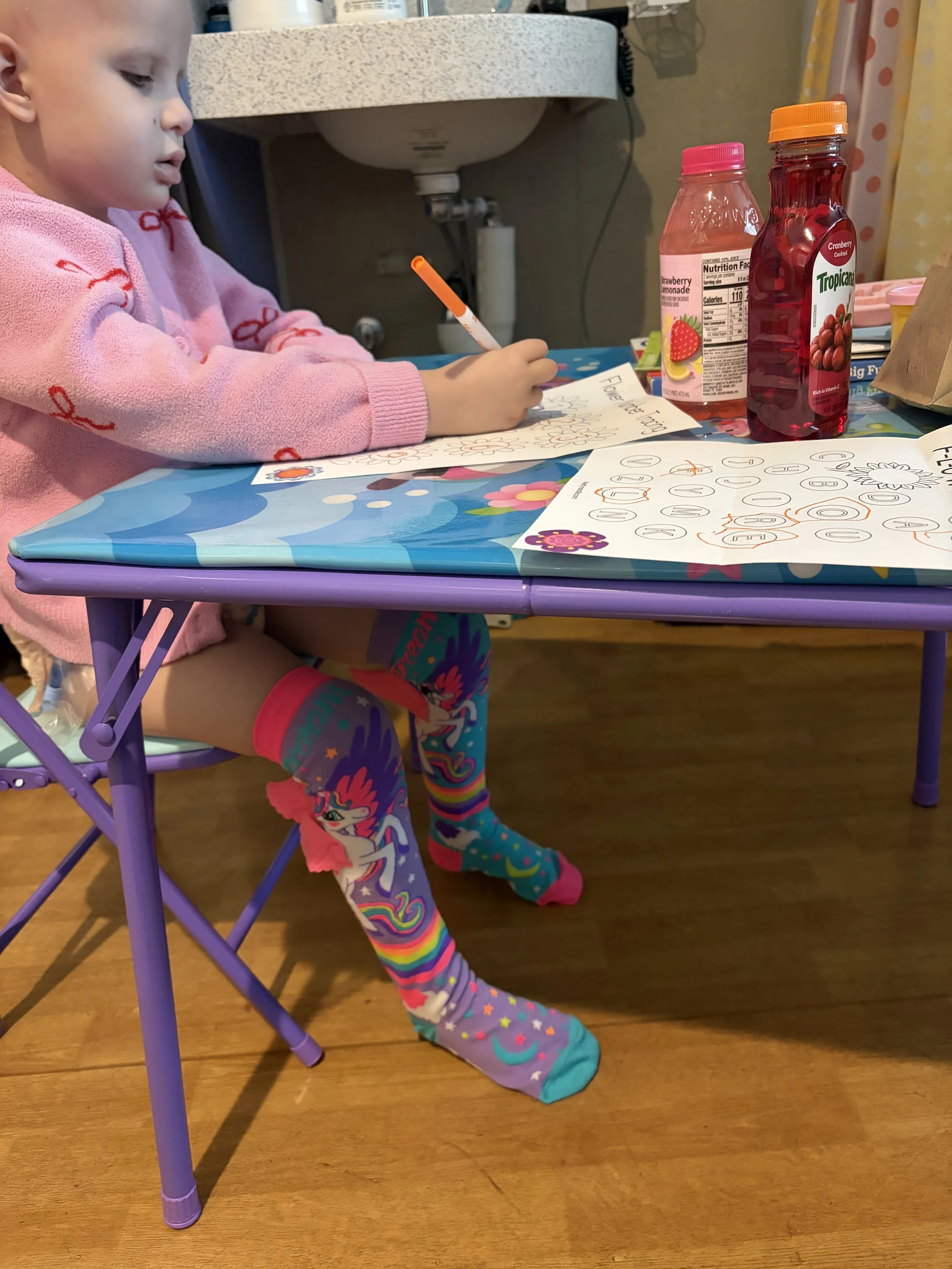
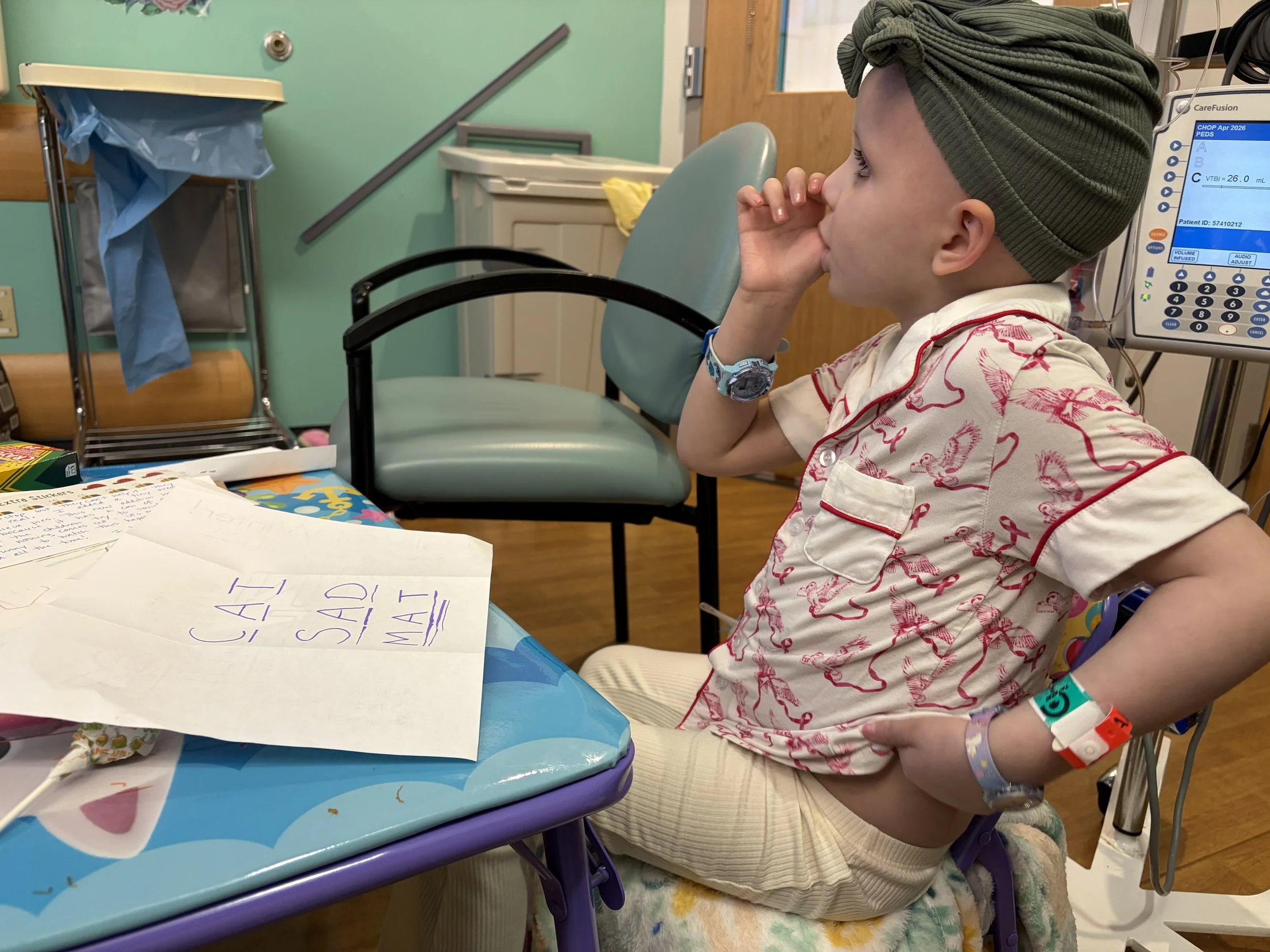
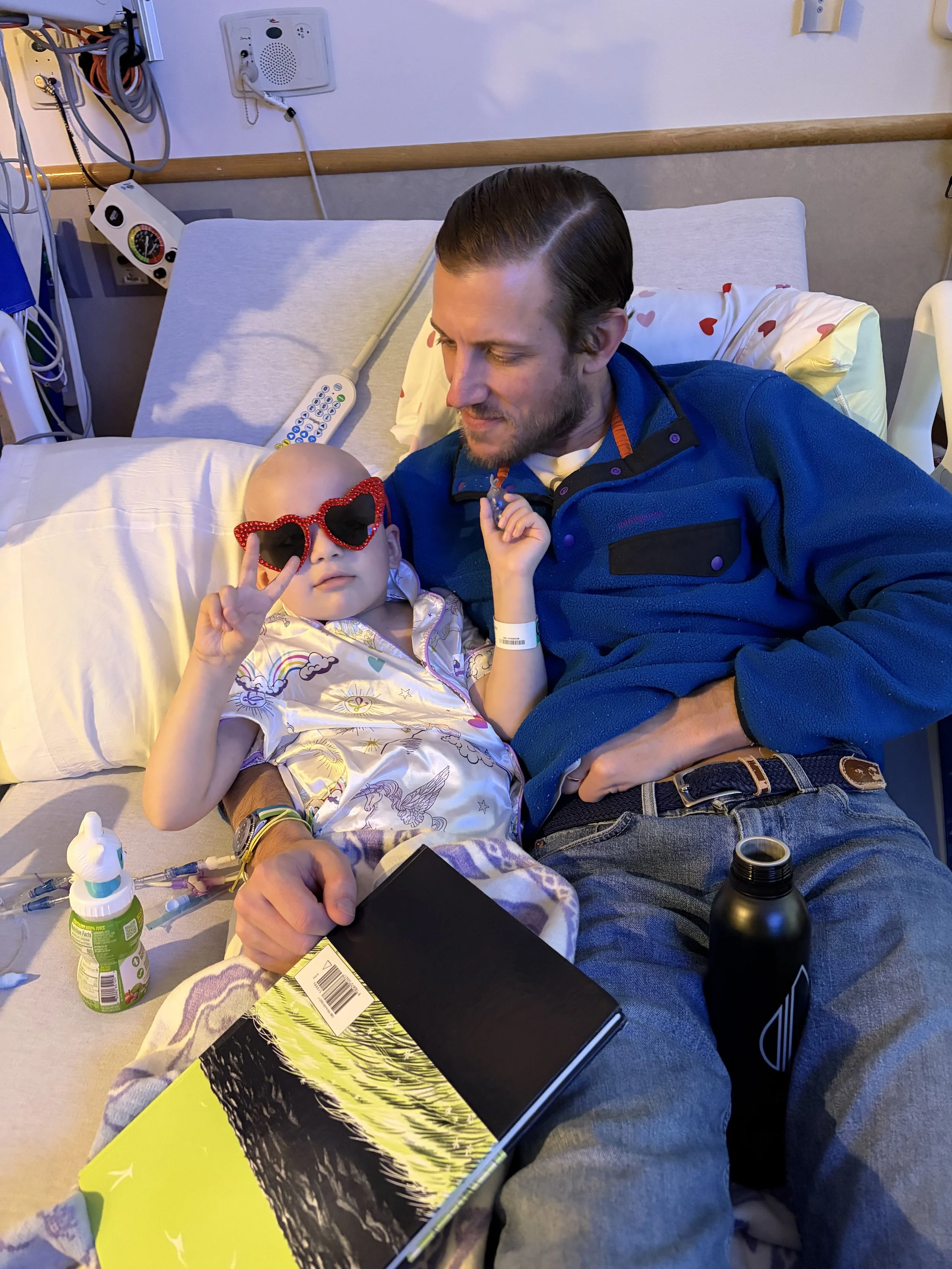
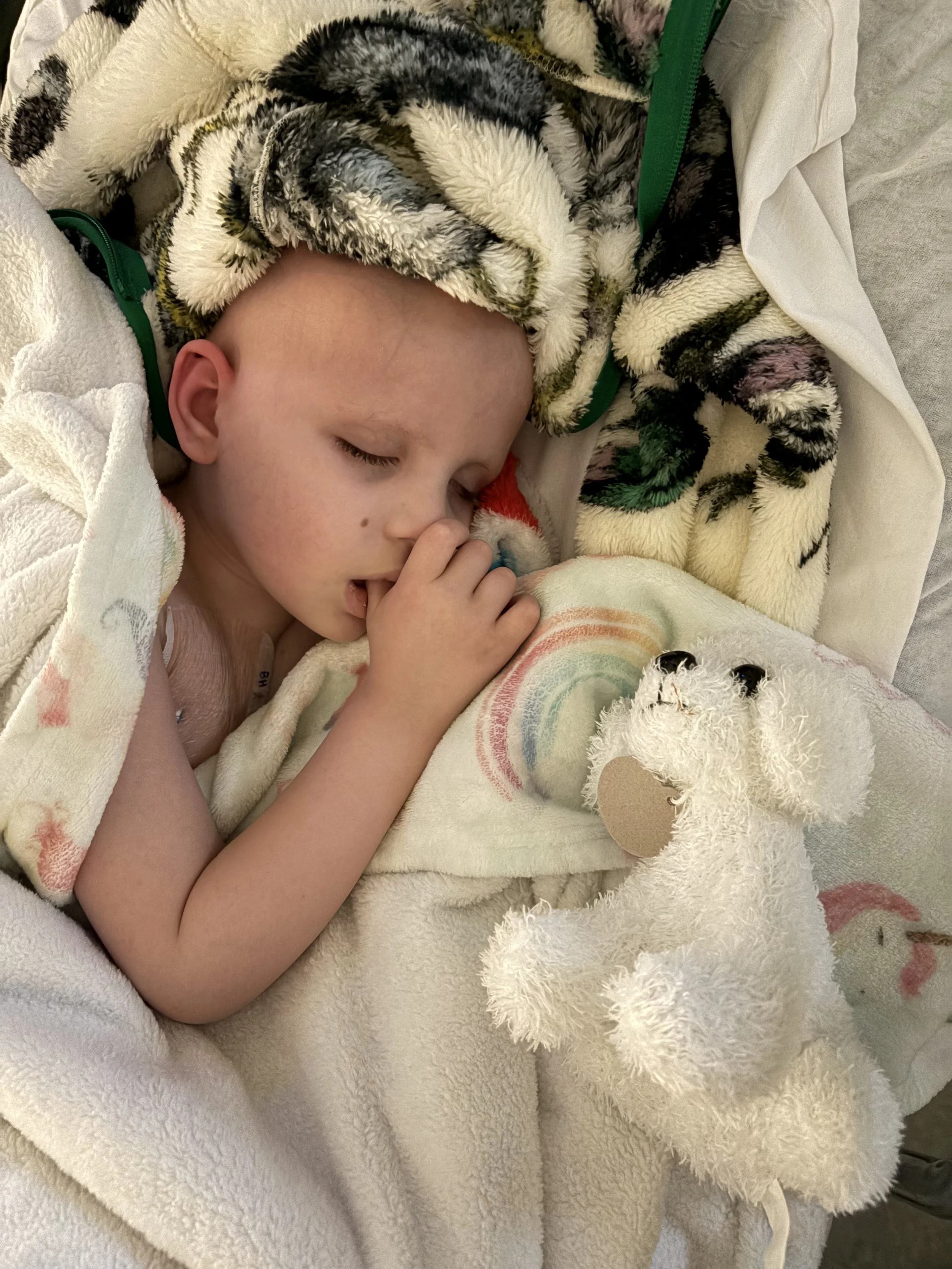
Well, unfortunately we spoke too soon regarding Bea’s nausea being under control. She’s been having a tough time tolerating her G-tube feeds and has zero appetite right now, so she remains dependent on overnight TPN (IV nutrition). In order to be discharged, we need to successfully transition her off the TPN, so our main focus this next week is figuring out the right combination of volume, rate, and formula to help her keep her feeds down more consistently. She’s also developed some radiation burns on her back from the spinal radiation. Thankfully they don’t seem to bother her too much, but they’re still hard to see.
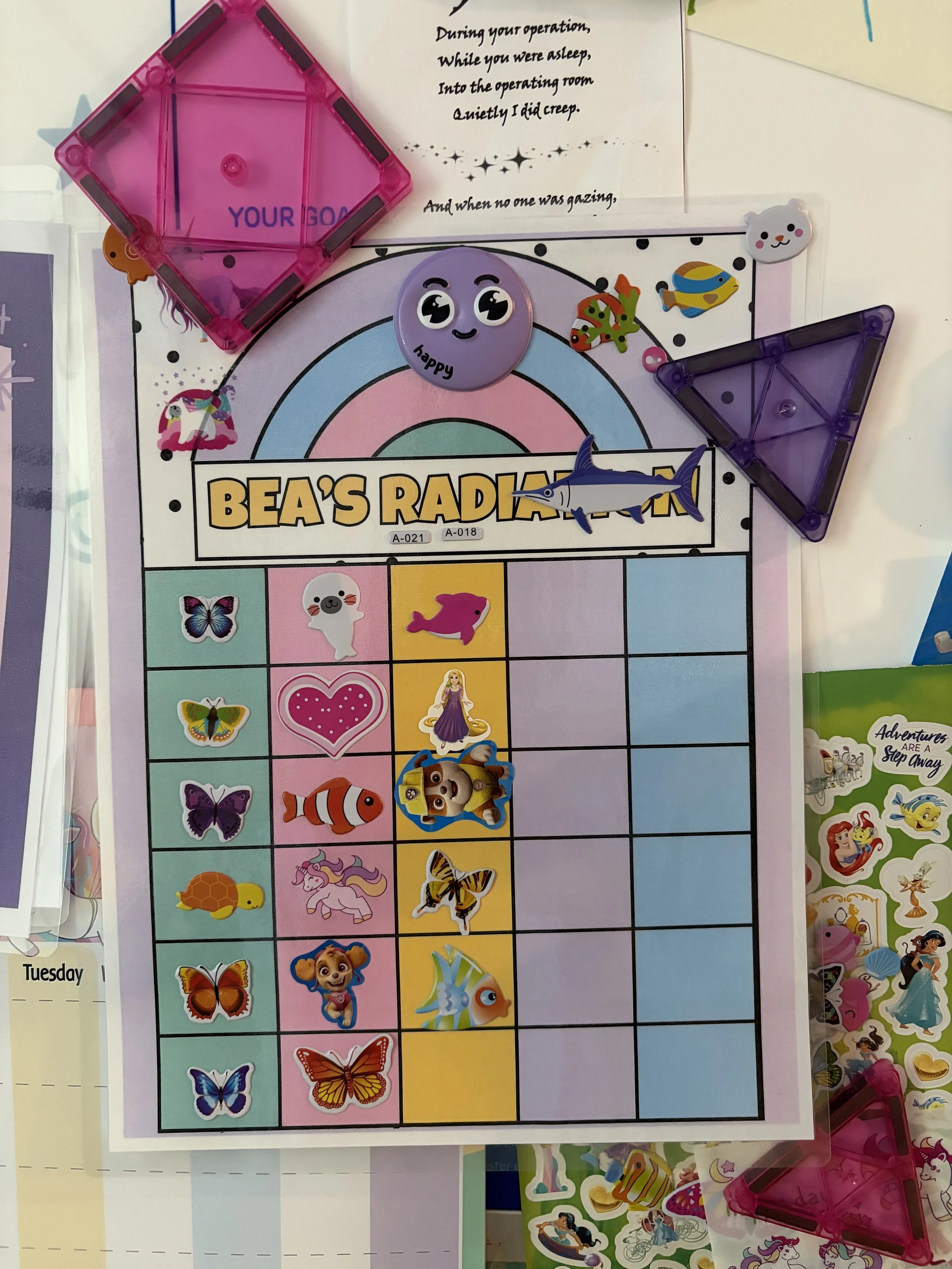
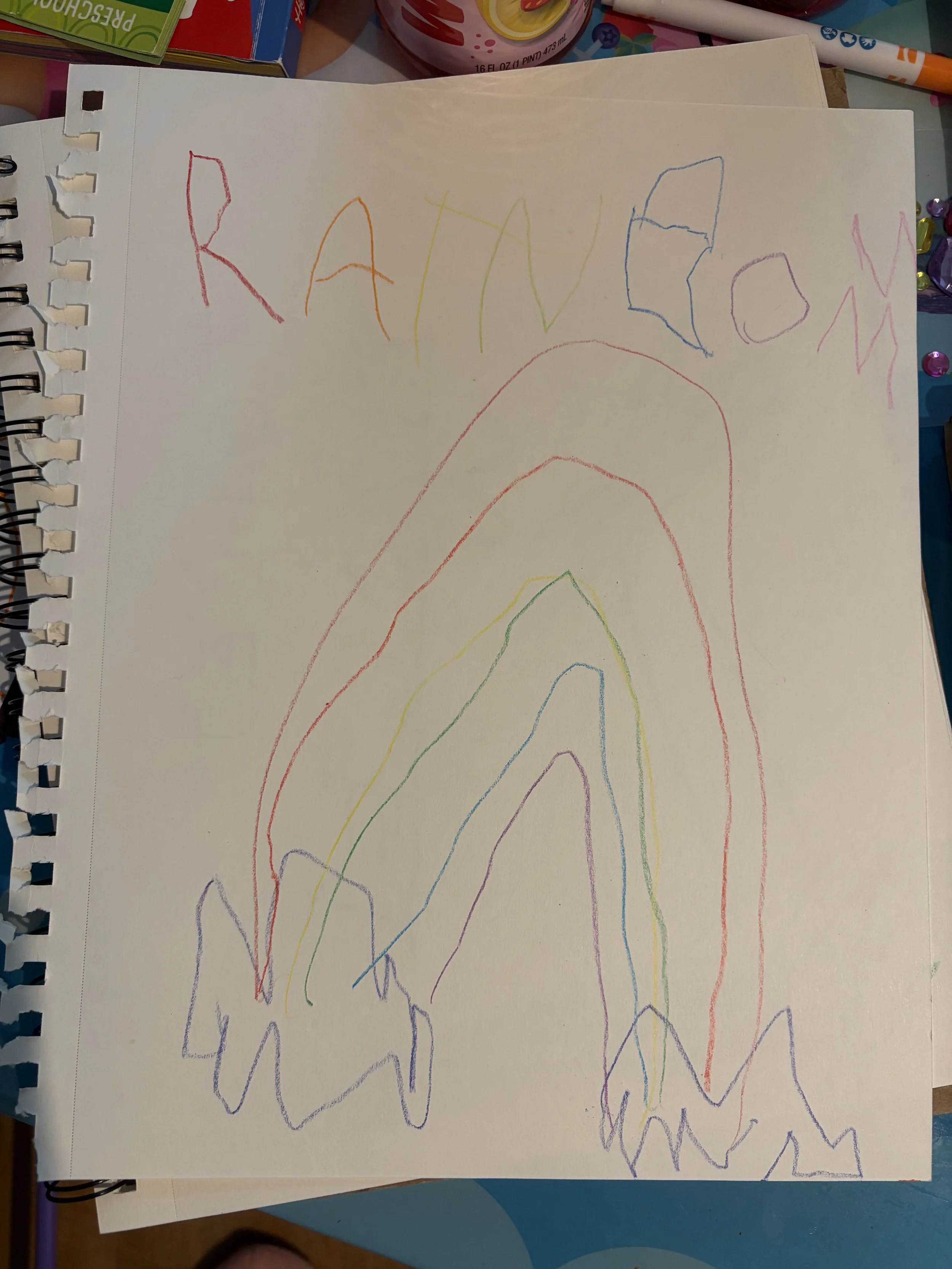
Bea explaining her perception of what radiation is to cousin Emily <3
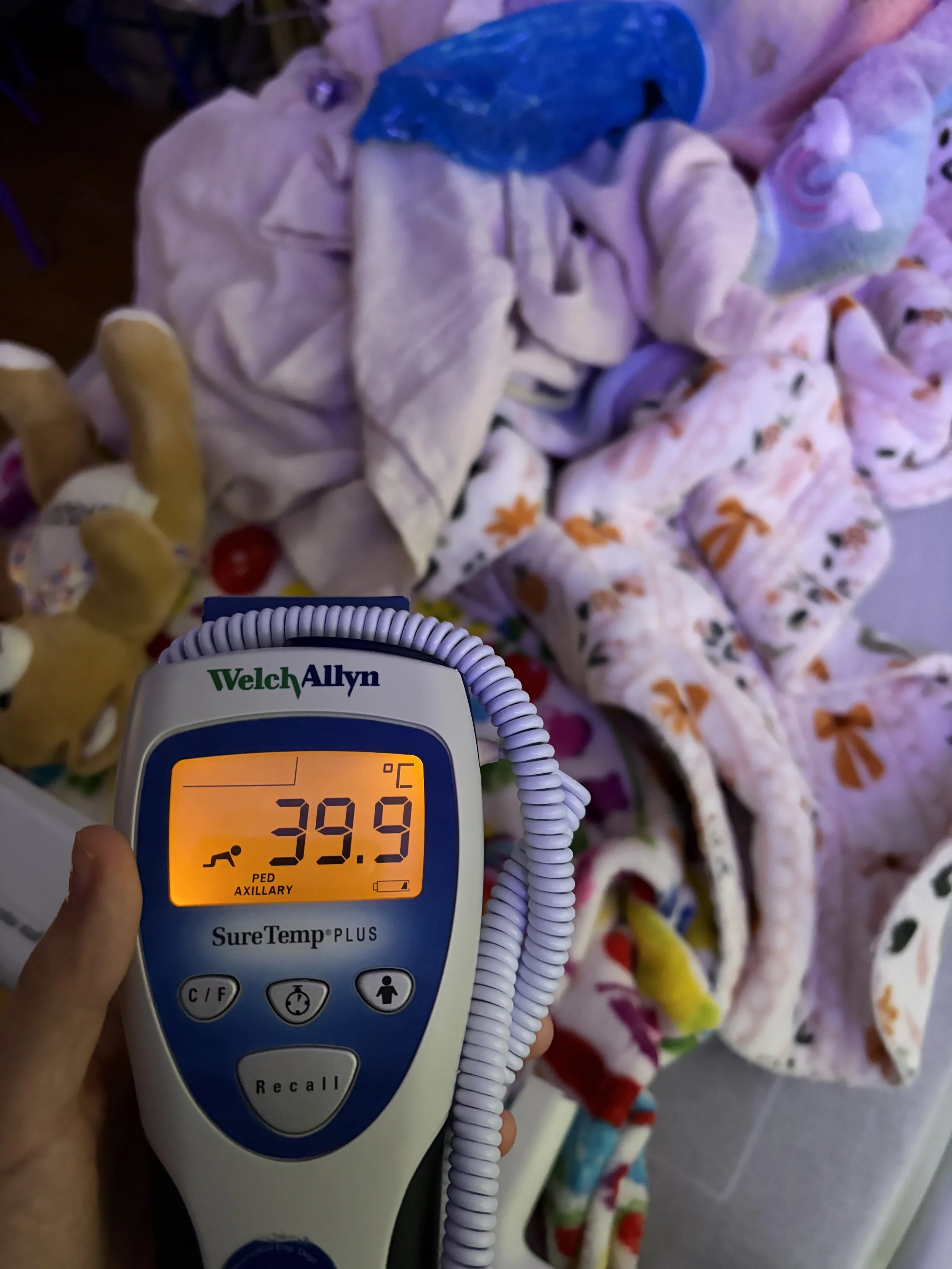
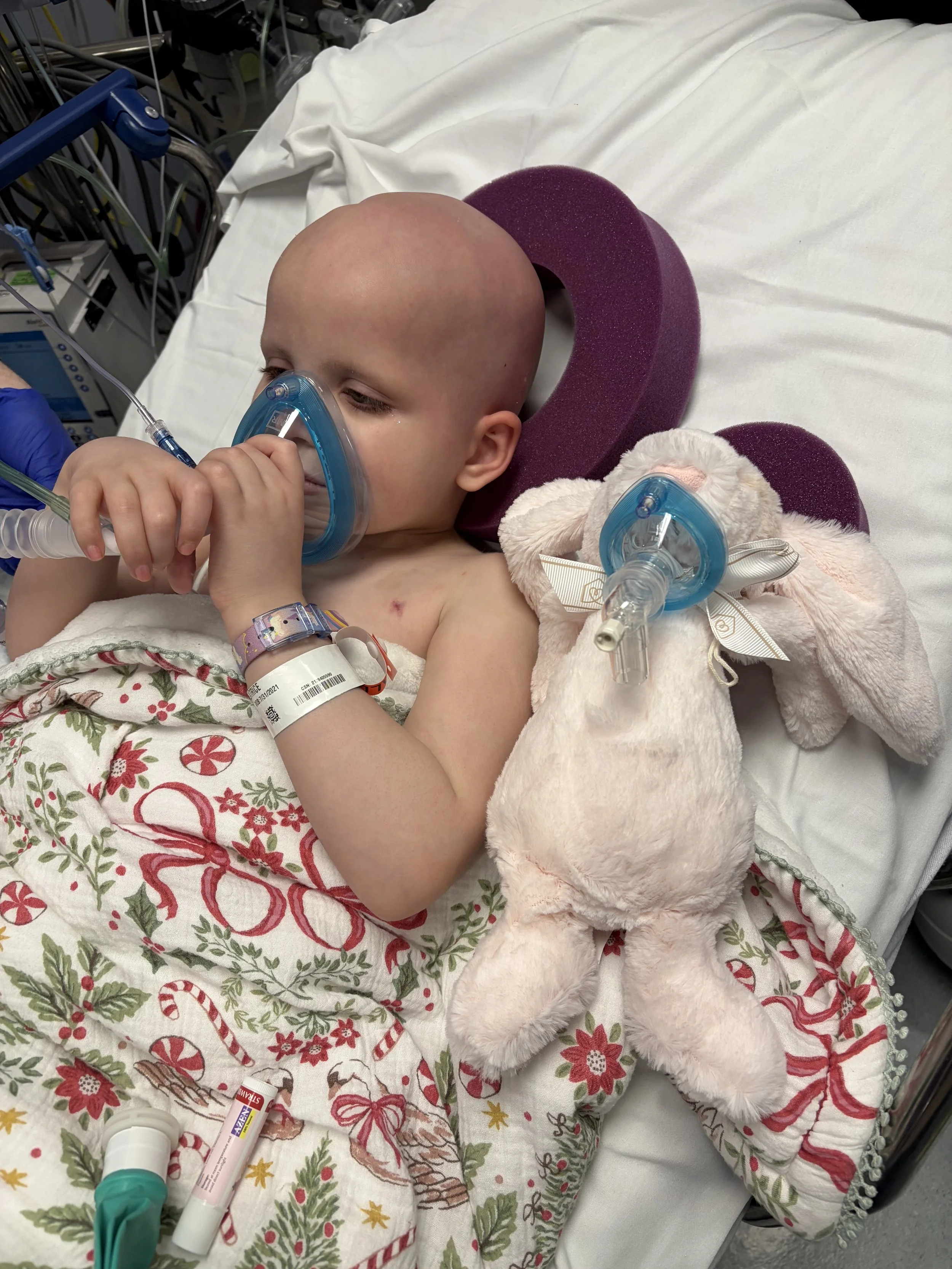
Earlier this week, she also hit a bit of a setback with a respiratory infection, which caused a few oxygen desaturations and high fevers. She needed overnight oxygen one night, but thankfully she’s now improving. The anesthesiologists at the radiation center ultimately decided her lungs weren’t strong enough to safely handle sedation, so two radiation sessions were canceled (after we made the two-mile round-trip walk to the center, of course). We’ll need to make those sessions up at the end of treatment. As of today, she has 7 sessions left. Our radiation oncologist is conferring with his team to see if we could consolidate 2 of those, so that our last day of radiation would be the 15th. If not, we’ll have to stay into the following week.
On the physical therapy front, we’re making slow progress. She’s much stronger, but still so restricted in her legs that she hasn’t been able to stand yet. We’re exploring a few options, including custom orthotics, to help stretch her legs and start to get her range of motion back.
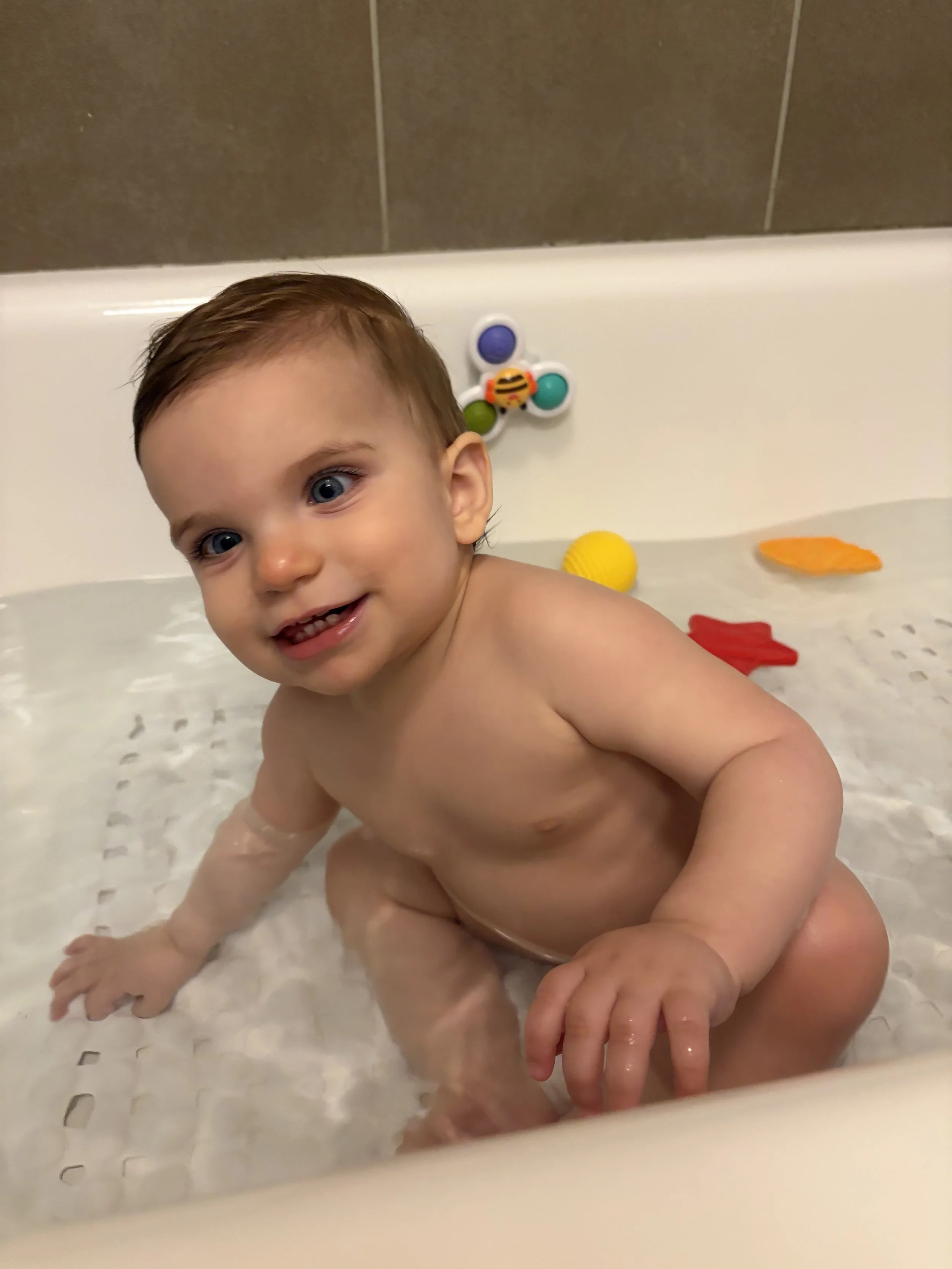
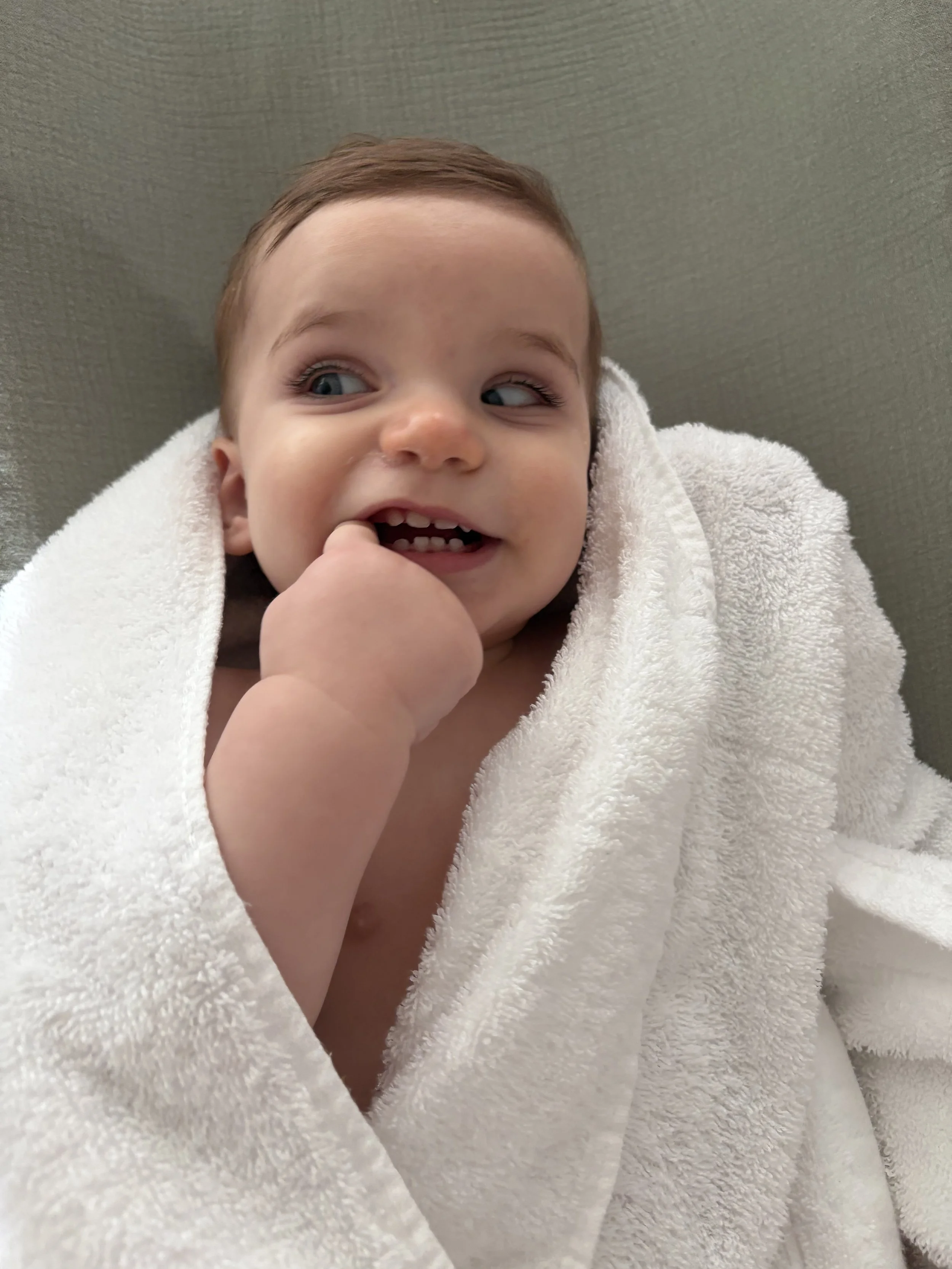
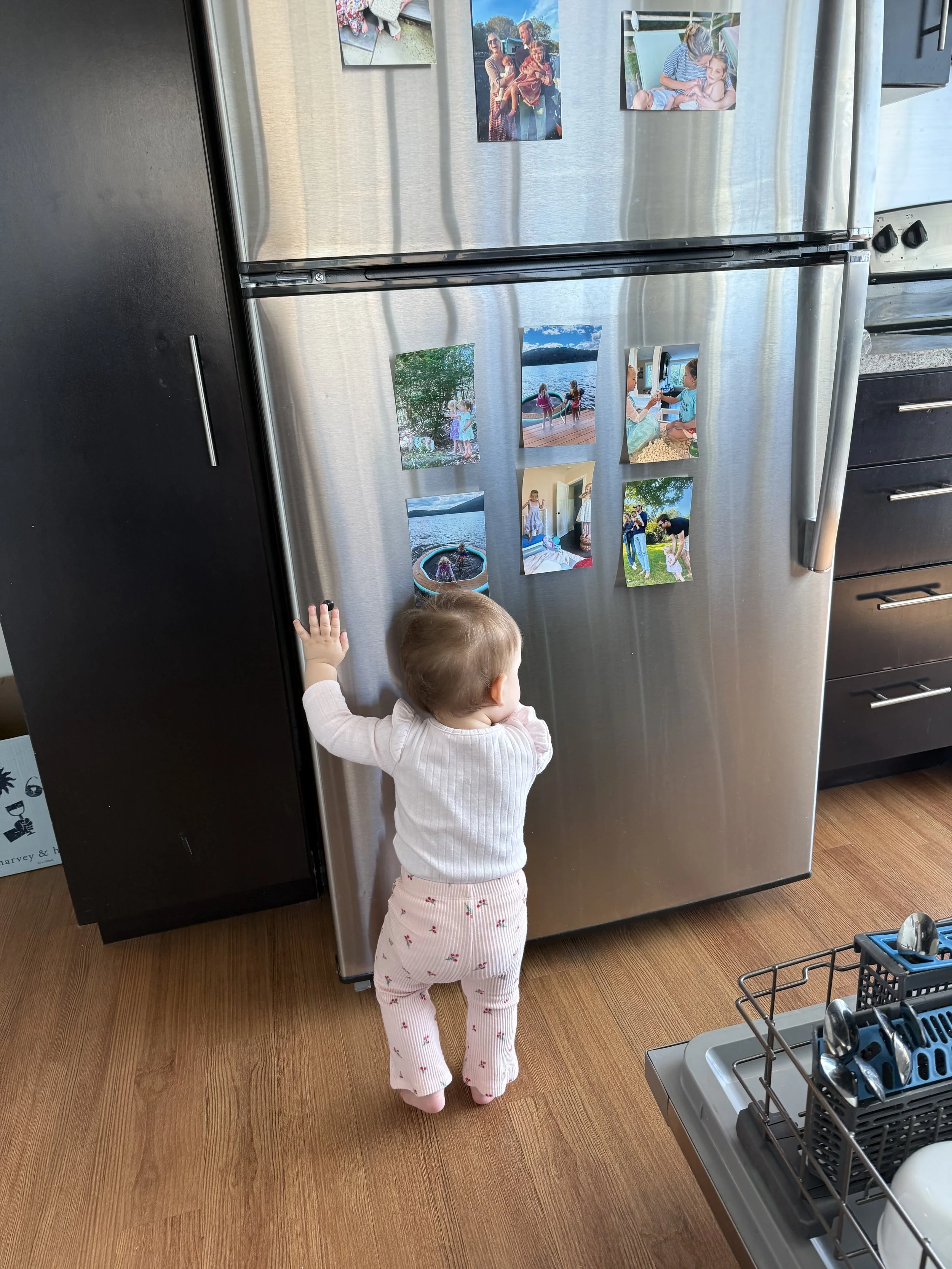
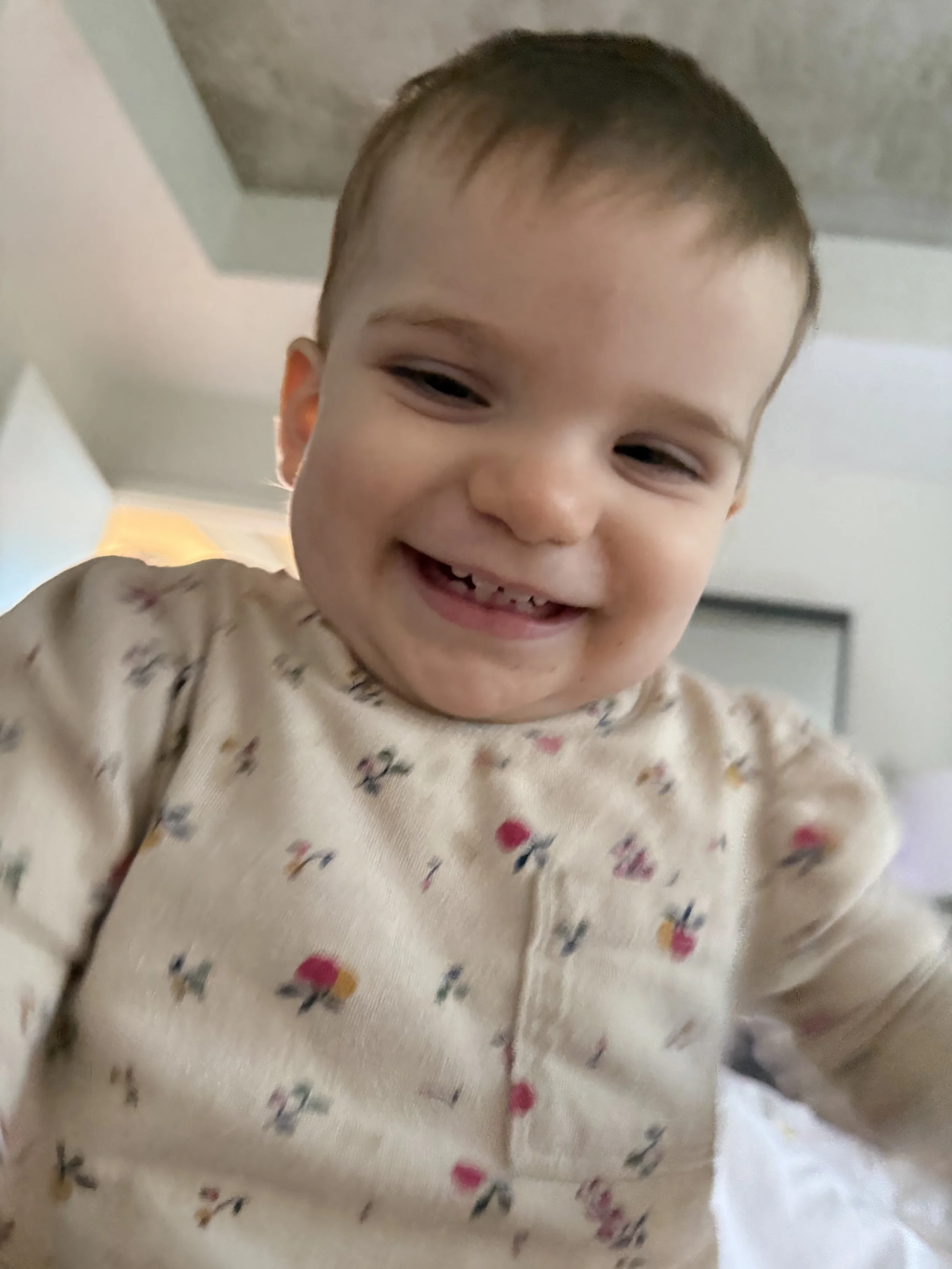
At “home” (AKA our rented apartment near the hospital), Reid continues to thrive and make us laugh every day. She’s now cruising around furniture and seems very close to taking her first steps. We also had a helpful ophthalmology appointment here at CHOP. An OCT scan showed what we expected: she has maculopathy and widespread retinal degeneration in both eyes, with some peripheral retinal preservation. We still won’t know how much functional vision she has, if any, until she’s older and able to tell us herself!
We also learned about some promising developments in gene and stem cell therapies. It’s very uncertain whether any of it would apply in Reid’s case, but it was still encouraging to hear about the progress being made in this field. The team also recommended fitting her for glasses — partly to help reduce eye pressing/rubbing (which is common in children with LCA), but also to optimize any vision she may have so her brain can continue strengthening the eye-to-brain connection. In the meantime, she continues exploring the world in her own way, with so much confidence!
Thank you to all for your continued love and support. It means the world to us <3